
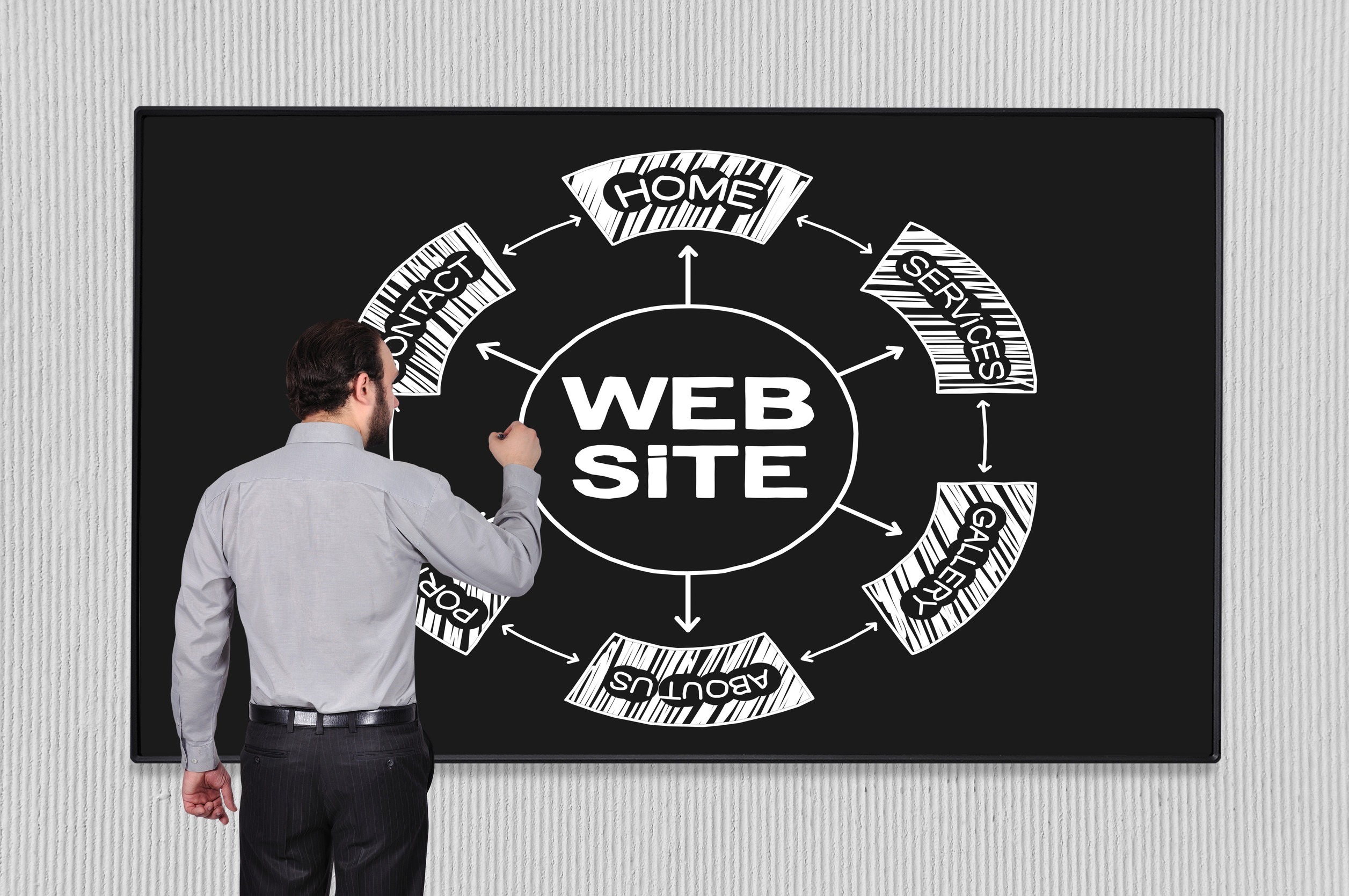
For small businesses, the internet can feel like a thousand moving parts: a website, social profiles, search rankings, ads, reviews, emails, maybe even a printed flyer that still matters locally. When these parts work together, growth feels steady and predictable. When they don’t, marketing becomes a cycle of random tactics and unclear results.
This post is a reference guide to the “integrated” approach—how smart web design and practical marketing reinforce each other, and what that looks like for local or regional brands. It isn’t about chasing trends or forcing a hard sell. It’s about understanding the handful of fundamentals that consistently help people find you, trust you, and take the next step.
Mixture Web talks about being a long-term digital partner and about blending design, marketing, hosting, and branding under one roof. That framing is useful even if you never hire an agency, because it reflects a reality of modern small-business growth: the website and the marketing layer are no longer separate projects.
Let’s break down how the pieces fit together and where local businesses get the most leverage.
A common trap for small businesses is treating marketing like a line of isolated errands. Build a website. Post on Facebook. Run ads. Try SEO. Update a logo. Each item has value, but if they aren’t coordinated, you end up with a lot of motion and not much momentum.
A systems approach starts with two questions:
Your digital system is the path that answers those needs. A simplified version looks like this:
Your website is the center of this system because it’s where evaluation happens. Marketing is what brings people to that evaluation moment. Mixture Web’s “design + market + grow” approach is basically this system in plain language: build the right foundation, amplify it, and keep refining it based on performance.
Local customers are fast scanners. They’ll decide whether you seem legitimate in seconds. That decision comes from a blend of design, clarity, and proof.
A credibility-centered site tends to include:
Mixture Web emphasizes custom websites built to stand out, paired with conversion-focused layouts and mobile-friendly performance. Those elements map directly to credibility: distinct design makes you memorable, conversion-based structure makes you easy to use, and mobile performance makes you feel modern and trustworthy.
One simple way to evaluate your own site: ask if a stranger could land on it and quickly answer, “Should I trust this business?” If the answer isn’t an easy yes, there’s opportunity.
Design isn’t just visual. Marketing isn’t just messaging. Both are trying to reduce uncertainty and help customers move forward comfortably.
That’s why integrated teams tend to outperform siloed ones. When design and marketing collaborate, you get:
Mixture Web highlights a collaborative process that begins with goal discovery and planning, then design, then ongoing optimization. The order matters. If you start with design without strategy, you risk building pages that don’t match how customers search or decide.
Small-business websites don’t need to be huge. They need to be complete in the ways customers care about.
The Small Business Administration summarizes this neatly by outlining a small set of pages most business sites should have, especially a strong homepage and service or product info that addresses what visitors are looking for.
In practice, most local businesses get strong results with:
You can also add one or two “evergreen” articles or guides that answer recurring questions. These do double duty: they help customers decide and they give search engines something useful to rank.
Mixture Web’s Services and Offerings structure reflects this kind of practical completeness: distinct buckets for web, marketing, hosting, and branding so visitors can self-select what they care about without wading through noise.
SEO “add-ons” after launch are often expensive because they’re trying to correct structural problems that should have been solved earlier.
SEO-friendly websites usually share a few traits:
Mixture Web lists SEO-friendly builds, keyword evaluation, and ongoing organic strategy as part of its marketing stack. That points to a mature view of SEO: it’s not a trick, it’s the result of a well-built site plus steady usefulness over time.
Google’s own guidance reinforces this, emphasizing content that is helpful, clear, and accessible rather than written solely for ranking. Sites that satisfy users reliably tend to perform best in search.
For local businesses, SEO isn’t just about “blue links.” It’s also about map visibility and local credibility signals.
Local SEO thrives when:
Because local intent is so specific, your web design and your marketing content need to align tightly. If you offer three core services but have only one generic “services” page, you’re leaving visibility on the table.
Mixture Web positions local business marketing as a core focus, which makes sense for a Baxter-based agency serving regional customers. Local relevance isn’t a bolt-on; it’s the context that shapes your site structure and content priorities.
A site can be thoughtfully designed and still struggle if it’s slow or unstable.
Your customers experience performance as a feeling:
Search engines experience performance as data. Google’s Core Web Vitals and broader page-experience signals use real user metrics—load speed, interactivity, stability—to help determine which sites provide a good experience.
Mixture Web’s emphasis on fast, secure, optimized hosting and speed-oriented builds mirrors that reality. Performance supports both marketing and trust, which is why it belongs in the integrated system, not in a separate “tech” box.
You don’t need aggressive calls to action to be effective. In fact, many local businesses do better with an “educate and reassure” tone.
Reference-style content works well because it:
Think about the questions customers repeatedly bring to your counter, inbox, or phone:
Those questions are blog posts, FAQs, or service-page sections waiting to happen.
Mixture Web’s Business Success Blog is built around this idea: helpful, practical topics for small businesses rather than hype or high pressure. Even a modest, steady library of useful content can outperform a high-volume schedule that isn’t rooted in real customer needs.
A consistent visual identity does more than look nice. It reduces friction in decision-making. When your logo, colors, and design style match across touchpoints, customers don’t have to wonder if they’re in the right place.
That cohesion also helps marketing:
Mixture Web includes branding and graphic design alongside web and marketing, which highlights how intertwined these pieces are for small businesses. A good brand system keeps your marketing from having to re-explain who you are every time.
If you want a simple order of operations, focus on the foundations that multiply everything else:
From there, layered marketing—SEO growth, social visibility, light paid support—has something reliable to amplify.
Integrated growth isn’t about doing everything at once. It’s about doing the right things in the right order so each effort supports the next.