
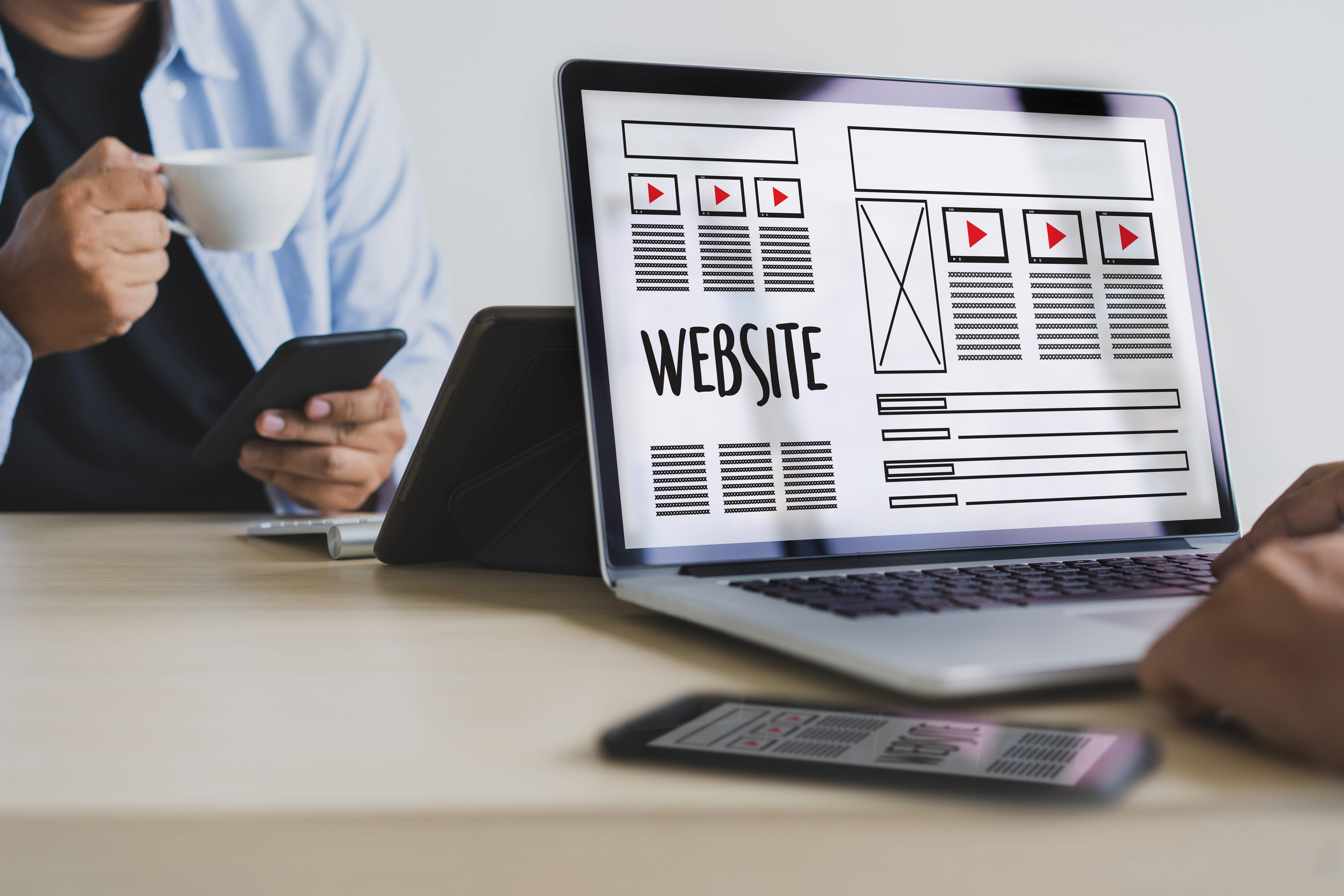
A website is one of the most valuable business tools available to small businesses today. It serves as a digital storefront, a marketing platform, and often the first point of contact between a company and potential customers. While having a website is important, simply existing online is no longer enough. Customers expect websites to be easy to use, informative, secure, and accessible on any device.
The most effective business websites share several key features that support user experience, search engine optimization (SEO), credibility, and long-term growth. Whether a business is launching its first website or evaluating an existing one, understanding these essential features can help create a stronger online presence.
This guide explores the website features every small business should consider when building or updating a website.
Mobile devices account for a significant portion of website traffic across nearly every industry. Customers often search for businesses, products, and services directly from their smartphones.
A mobile-friendly website automatically adjusts to different screen sizes and devices, ensuring users can easily navigate pages, read content, and interact with forms regardless of the device they use.
Benefits of responsive web design include:
Google uses mobile-first indexing, meaning mobile usability directly impacts search visibility. A website that performs well on mobile devices creates a better experience for both users and search engines.
Website speed plays a major role in user satisfaction and SEO performance. Visitors expect websites to load quickly, and even a short delay can cause users to leave before viewing content.
Fast websites help:
Several factors influence website speed, including hosting quality, image optimization, coding practices, and server performance.
For small businesses, investing in website performance helps create a stronger first impression and encourages visitors to explore additional pages.
Visitors should never struggle to find information on a website.
Clear navigation allows users to quickly locate important pages such as:
Simple menu structures and organized page layouts improve usability while reducing frustration.
Effective navigation also supports SEO by helping search engines understand the structure and hierarchy of website content.
A website should accurately reflect a company’s brand identity.
Strong branding includes:
Brand consistency helps build trust and creates a more memorable experience for visitors.
When branding remains consistent across a website and other marketing channels, businesses establish stronger recognition and credibility.
A beautiful website offers limited value if customers cannot find it.
SEO helps businesses improve visibility in search engine results and attract qualified traffic over time.
Essential SEO features include:
SEO should be considered during website development rather than added as an afterthought.
A website built with SEO best practices provides a stronger foundation for long-term online visibility.
One of the most overlooked website features is clear and accessible contact information.
Visitors should be able to quickly locate:
When customers cannot easily find contact information, they may leave the website and continue searching elsewhere.
Contact information should be prominently displayed throughout the site, particularly on dedicated contact pages and footer sections.
Security is essential for both businesses and website visitors.
Modern websites should include HTTPS encryption, which helps protect data transmitted between users and the website.
Secure websites provide several benefits:
Reliable hosting also contributes to website stability, speed, and uptime.
Businesses should prioritize secure hosting environments that support long-term website performance.
While websites should not overwhelm visitors with aggressive sales messaging, they should clearly communicate available next steps.
Examples include:
Effective calls to action guide users through the website experience while maintaining a professional and helpful tone.
Content remains one of the most important website features for both users and search engines.
Useful content helps businesses:
Examples include:
Regularly updated content demonstrates expertise and keeps websites relevant.
Trust is a major factor in purchasing decisions.
Testimonials and customer reviews help visitors understand the experiences of previous clients and provide social proof.
Benefits include:
Businesses should ensure testimonials are authentic, relevant, and easy to find.
Customers often want to know who they are doing business with.
An effective About Us page helps communicate:
This content helps humanize the business and build stronger connections with potential customers.
Website accessibility ensures that users of all abilities can access and interact with content.
Accessibility improvements may include:
Accessible websites create better experiences for a broader audience while supporting compliance and usability goals.
Internal links help connect related content throughout a website.
Benefits include:
Internal linking allows visitors to continue exploring relevant information and helps search engines understand relationships between pages.
Understanding how visitors interact with a website helps businesses make informed decisions.
Analytics tools provide insights into:
These insights support ongoing improvements and strategic planning.
A blog is one of the most effective long-term SEO tools available to small businesses.
Regularly publishing educational content helps businesses:
Blog content also provides opportunities to answer customer questions and establish authority within an industry.
Business needs change over time.
A website should be built with flexibility in mind so it can support:
Scalable websites help businesses avoid costly rebuilds and maintain performance as they grow.
Each of these website features contributes to a larger goal: creating a website that supports business growth.
When combined, these elements help businesses:
Rather than viewing a website as a one-time project, successful businesses treat it as an evolving asset that continues supporting growth and engagement over time.
A successful small business website requires more than attractive design. Features such as mobile responsiveness, fast performance, SEO optimization, security, accessibility, quality content, and clear navigation all play important roles in overall effectiveness.
As customer expectations continue to evolve, businesses that invest in these essential website features are better positioned to create positive user experiences, improve search visibility, and support long-term growth.
A well-built website remains one of the most valuable tools available to small businesses looking to strengthen their online presence and connect with customers in meaningful ways.
Mixture Web
7217 Excelsior Road Suite 103
Baxter, MN 56425
Phone: (218) 894-9644
Email: info@mixtureweb.com
Business Hours: Monday – Friday, 8:30 AM – 4:30 PM